Why This Matters to You
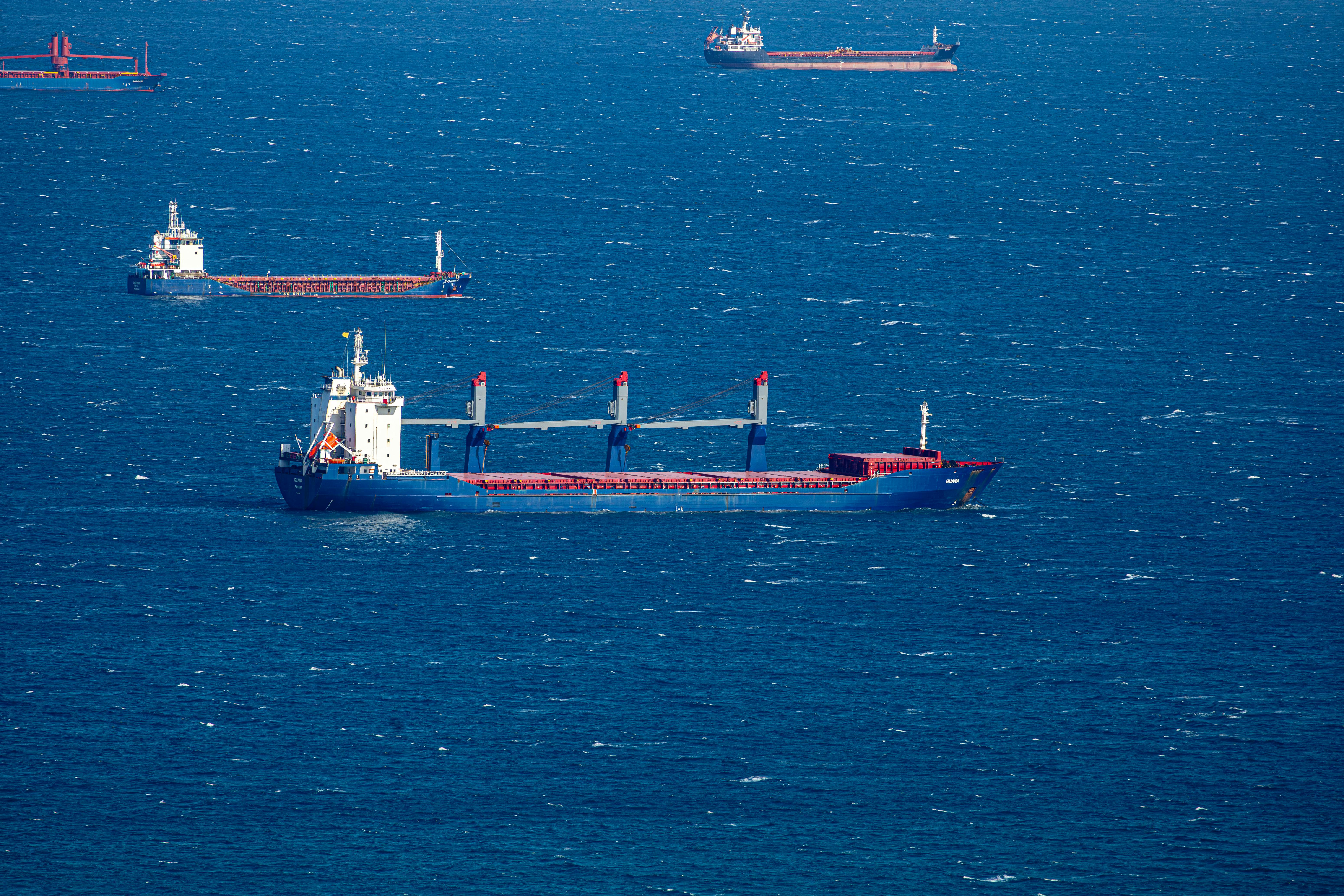
Right now, the conflict involving Iran, the United States, and regional allies is not just a political issue—it’s a business issue worldwide. With a naval blockade, disrupted oil routes, and rising uncertainty, even small businesses in Uganda can feel the effects.
If you run a shop, distribute goods, or manage inventory, this situation can directly affect your prices, stock availability, and profits.
🌍 1. What’s Actually Happening (Simple Breakdown)
- The U.S. has imposed a naval blockade on Iran, limiting ships entering and leaving Iranian ports
- Iran has responded by disrupting traffic in the Strait of Hormuz, a key global oil route
- Around 20% of global oil supply normally passes through this route
- Tensions have stalled peace talks, and the situation remains unstable
👉 In simple terms:
Less oil moving globally = higher costs everywhere
⛽ 2. Rising Fuel Prices = Rising Business Costs
Fuel is the backbone of:
- Transport
- Manufacturing
- Supply chains
With oil supply disrupted:
- Fuel prices increase
- Transport costs go up
- Suppliers raise prices
📌 Example: If transport from Kampala to upcountry becomes expensive, your product cost automatically increases.
📦 3. Stock Shortages & Supply Delays
The conflict has:
- Slowed shipping routes
- Increased import delays
- Reduced availability of some goods
Some countries are already experiencing economic strain due to blocked trade routes
👉 For you:
- Some items may disappear from the market
- Others will arrive late or at higher prices
💰 4. Price Instability (Your Biggest Risk)
This kind of global tension causes:
- Frequent price changes
- Unpredictable supplier costs
- Customer resistance to high prices
📌 You may notice:
- Buying price today ≠ buying price next week
- Profit margins becoming unclear
📈 5. Hidden Opportunity for Smart Businesses
Not everything is negative.
Some businesses benefit:
- Traders who adjust prices quickly
- Businesses with good stock control
- Those who track profits in real-time
Globally, some regions are even gaining from the shift in energy markets
👉 The difference is control and visibility
🧠 6. What Smart Business Owners Should Do Now
✅ 1. Track Your Stock Daily
Know:
- What you have
- What is running out
- What is profitable
✅ 2. Monitor Buying Prices
Don’t assume prices are stable—update them frequently
✅ 3. Avoid Over-Stocking or Under-Stocking
- Overstock = money stuck
- Understock = lost sales
✅ 4. Record Sales (Even Offline)
In unstable times, consistency matters more than internet access.
✅ 5. Focus on Fast-Moving Items
Prioritize products that:
- Sell quickly
- Have stable demand
📱 7. Why Inventory Management Is Now Critical
This is exactly where systems like Mich Manage become powerful:
- You see real-time stock value
- You track profit vs revenue
- You avoid losses from poor decisions
- You can record sales even offline
👉 In uncertain markets, guesswork kills businesses—data saves them
🚀 Conclusion: Control Is Your Advantage
The Iran conflict may feel far away, but its effects are already moving through:
- Fuel prices
- Supply chains
- Market prices
The businesses that survive and grow are not the biggest…
They are the ones that adapt fastest and stay in control.
🔥 Final Thought for Business Owners
“In times of uncertainty, the businesses that track everything are the ones that lose nothing.”
Comments (2)
Inventory account required
Login here to comment on this blog without leaving the page.
🥰🥰✍️🤝🤝
✌️✌️✌️